| brucekluger.com |

USA Today, November 13, 2013 Use NFL to help fight bullying Bullying is bullying, whether in the schoolyard or the locker room. By Bruce Kluger
been reading a lot about the ever escalating crisis of teenage bullying in this country; and if there is one common theme that’s recurred, it’s that adults must become more engaged in the process if we ever hope to stop bullying in its tracks.
everyone involved—from the bully to the bullied to the bystander—is already a grown-up?
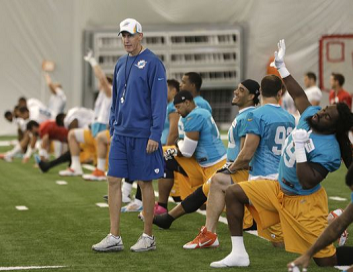
by the Miami Dolphins scandal, where 319-pound guard Richie Incognito has been suspended on allegations of bullying fellow offensive lineman Jonathan Martin, who has left the team. Incognito, a 30-year-old NFL veteran with an unsettling history of dirty play, verbal abuse, repeated fines and serial suspensions, was reportedly relentless in his cruel treatment of Martin—from name-calling and public humiliation, to sending racist texts and voice messages, to threatening to kill him. Predictably, the unfolding drama has become fodder for an unending wave of news columns and editorials, all of them calling for a fresh look at the culture of professional athletics in order to get to the bottom of this troubling new event. But that’s the irony: there’s nothing remotely new about any of this. It’s just plain, old-fashioned bullying, transplanted into the bodies of oversized, overpaid athletes who genuinely believe they can get away with it. And yet there is one difference: Unlike with schoolyard bullying—where parents, teachers and bystanders can effectively reverse a dangerous situation, and sometimes do—in the NFL, the coaches, managers and owners who are charged with maintaining peace within their teams are often making the problem worse. “Coaches could care less about what happens in the locker room because they have a job to do and we have a job to do,” veteran NFL defensive end Trevor Pryce told The New York Times. “We play for the highest bidder. Allegiances are very temporary. To some extent, the inmates run the asylum. The coaches have a lot of other things to deal with.” The Incognito-Martin faceoff so blatantly fits the classic bullying scenario that it’s practically cliché. Incognito is white, Martin is black; Incognito has been playing with the NFL since 2005, Martin is a rookie; Incognito was allegedly bullied as a child for his weight, Martin is the son of Harvard grads and a conscientious student who majored in the classics at Stanford. And, most tellingly, Incognito was reportedly a ringleader in the kind of adolescent and vicious behavior, from hazing to physical violence, that has historically lurked behind the scenes at the NFL—behavior that is not one iota different from the pushing and shoving and online gang-ups that have fallen upon the children in our communities. And that’s how we should respond to this disturbing story: instead of interpreting the Dolphins debacle as some new kind of outbreak that has begun to dominate the highly charged, highly lucrative realm of professional sports, let’s just reframe it as one more strain of an old disease. Helping children to understand bullying, say the experts at StopBullying.gov, is the surest way to prevent it; and that can be accomplished by checking in with them, listening to them, knowing their friends and understanding their concerns; and, most important, keeping the lines of communication open. So starting this Sunday afternoon, let’s use this opportunity to renew our conversations with our kids about bullying. If you enjoy watching the games as a family—or even if you don’t—let’s remind our children that:
difference between a little girl or a teenage boy or a 300-pound lineman. Cruelty is cruelty. ► Whether it’s in the schoolyard or in a professional locker room, a bystander is a bystander, and it is his or her responsibility to help stop bullying as it’s happening. Not stepping in contributes to the problem. ► Regardless of how brilliant he may be on the field—or how many Super Bowl rings he has on his fingers—a bully is never a hero. Ever. Like most people involved in the fight against bullying, I hope this story continues to play out in the media. The more attention that’s brought to person-against-person torment, the more we may begin to loosen the tight knot that’s been choking the humanity out of our kids. But let’s stop calling this a new story—because it isn’t one. (Photograph Lynne Sladky, AP) |